
Sunflower Market in Bulgaria: Cautious Optimism and Stable Prices at the Start of the Season
As of the end of May 2026, the outlook for Bulgaria's sunflower harvest is cautiously optimistic, with final yields heavily dependent on the upcoming weather conditions.
EU-wide, the European Commission forecasts a strong season with production reaching approximately 9.6 million tonnes – the highest level in three years. Bulgaria, alongside Romania, France, Hungary, Spain, and Greece, is expected to see an increase in production volume.
However, the market remains vulnerable to weather risks and competition from Ukraine and Romania. Bulgaria's domestic processors, with their large capacities for oil and hulled seeds, continue to drive strong demand for raw materials. This is keeping farmers' price expectations firm.
Currently, prices for black sunflower seeds in Bulgaria remain stable. Preliminary indications for the new crop are in line with current market levels, with no significant downward trend in sight. Farmers remain cautious, waiting for better prices while weighing summer weather risks against steady demand from local buyers.

PPWR Regulation: New Packaging Requirements in the EU from August 12, 2026
Discover everything about the new EU packaging requirements effective August 2026: PFAS limits, heavy metal regulations, the BPA ban, and PPWR compliance.

Sunflower Market in Bulgaria: Cautious Optimism and Stable Prices at the Start of the Season
As of late May 2026, the outlook for Bulgaria's sunflower harvest is cautiously optimistic, with final yields heavily dependent on upcoming weather conditions. Across the EU, the European Commission projects a strong season, with production forecasted to reach approximately 9.6 million tonnes—the highest level in three years. Bulgaria, alongside Romania, France, Hungary, Spain, and Greece, is expected to see an increase in production volume. However, the market remains vulnerable to weather risks and strong competition from Ukraine and Romania. With their extensive capacity for oil and hulled seeds, Bulgaria's domestic processors continue to drive robust demand for raw materials. This sustains firm price expectations among farmers. Currently, prices for black sunflower seeds in Bulgaria remain stable. Preliminary indicators for the new harvest align with current market levels, with no significant downward trend in sight. Farmers remain cautious, holding out for better prices while balancing summer weather risks against consistent demand from local buyers.

Short harvests and rising prices: The current market situation for Uzbek stone fruit.
Fruit and berries: Due to unfavorable weather conditions during the spring flowering period, Uzbekistan is experiencing a poor stone fruit harvest this year, which includes sweet cherries, apricots, and peaches. For instance, the sweet cherry harvest was highly limited, reaching only about 40% of the previous year's volume; this drove prices upward, with sales ranging between $8.00 and $12.00 (FCA Tashkent). The apricot harvest is currently in full swing, and prices remain exceptionally high, consequently driving up market prices for both dried and frozen apricots.

Declining Crop Acreage and Rising Production Costs: What Does the Future Hold for the Global Mustard Market?
According to market reports, many farmers in Ukraine, Kazakhstan, and Russia have significantly reduced their mustard cultivation areas this year due to low prices over the last two harvest years. Unless Canada achieves an exceptionally high crop yield, we anticipate a price increase for the new harvest.

Global Trends in Parsnips: A Strategic Market Overview
The new parsnip harvest is anticipated for October/November. Despite a dry spring, current weather conditions have stabilized, pointing towards a normal and consistent yield...

Meet Saatenberg at Interzoo 2026 – Experience innovations up close
Short tips on how to eat a balanced and healthy diet even when you have little time.

EU plans to introduce binding MOAH limits for food for the first time
On 13 May 2026, the Standing Committee SC PAFF will discuss binding maximum levels for mineral oil aromatic hydrocarbons (MOAH) in food – with implications for the entire value chain.

GMP+ International introduces LCA standards for animal feed
With the new Feed Life Cycle Assessment standards, GMP+ International will set new benchmarks for sustainability and transparency in the feed supply chain from May 2026.
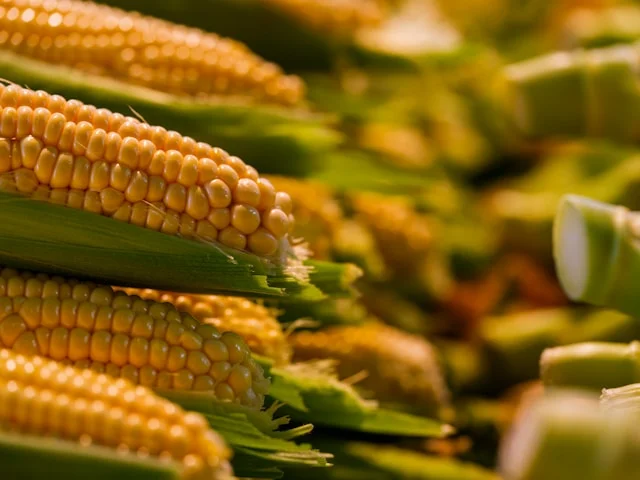
France’s maize acreage shrinks by up to 15 percent
In the 2026 sowing season, the maize cultivation area in France is declining dramatically. The Maiz’Europ association warns of structural disruptions across the entire value chain.


